No products in the cart.

Category: Articles

ezh2SN0ZivN
Articles

Walktober Celebration: Crushing Goals, Building Community (Oct 1–6 Recap)

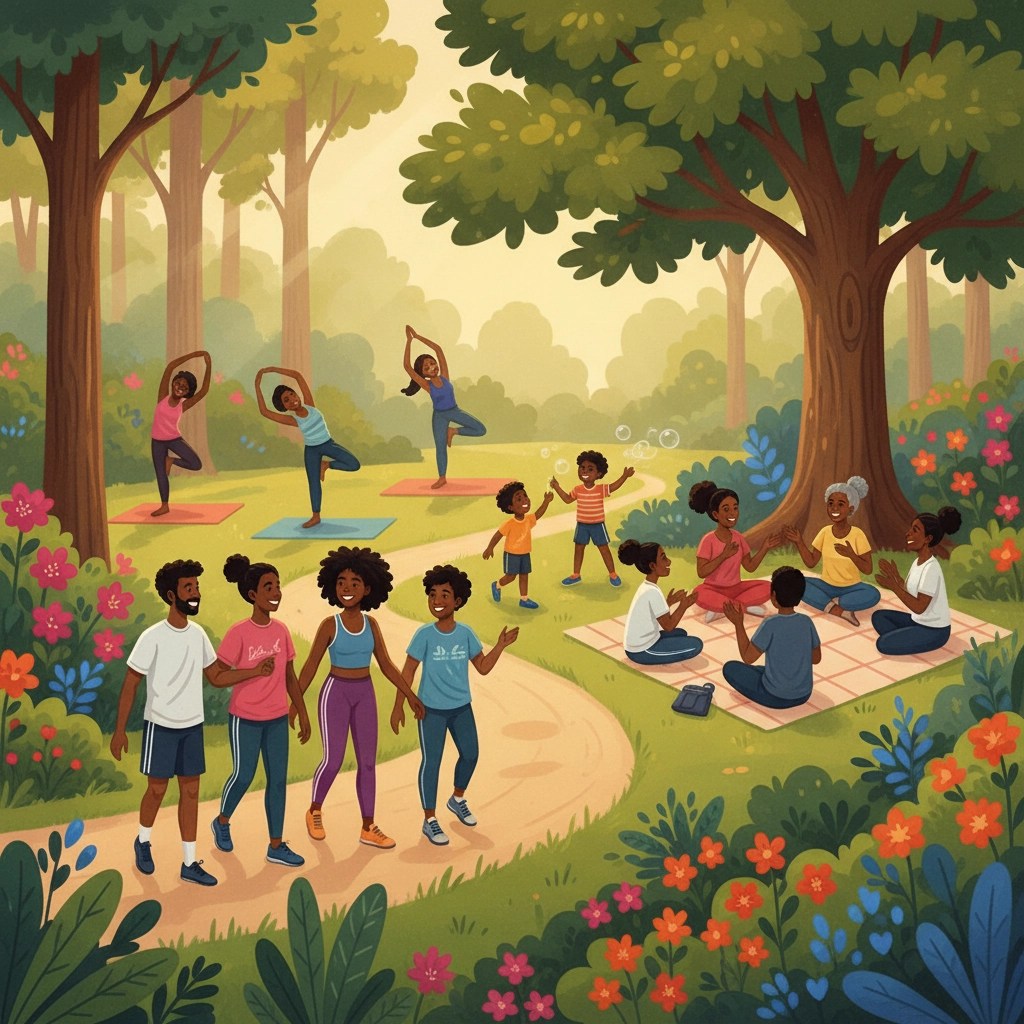
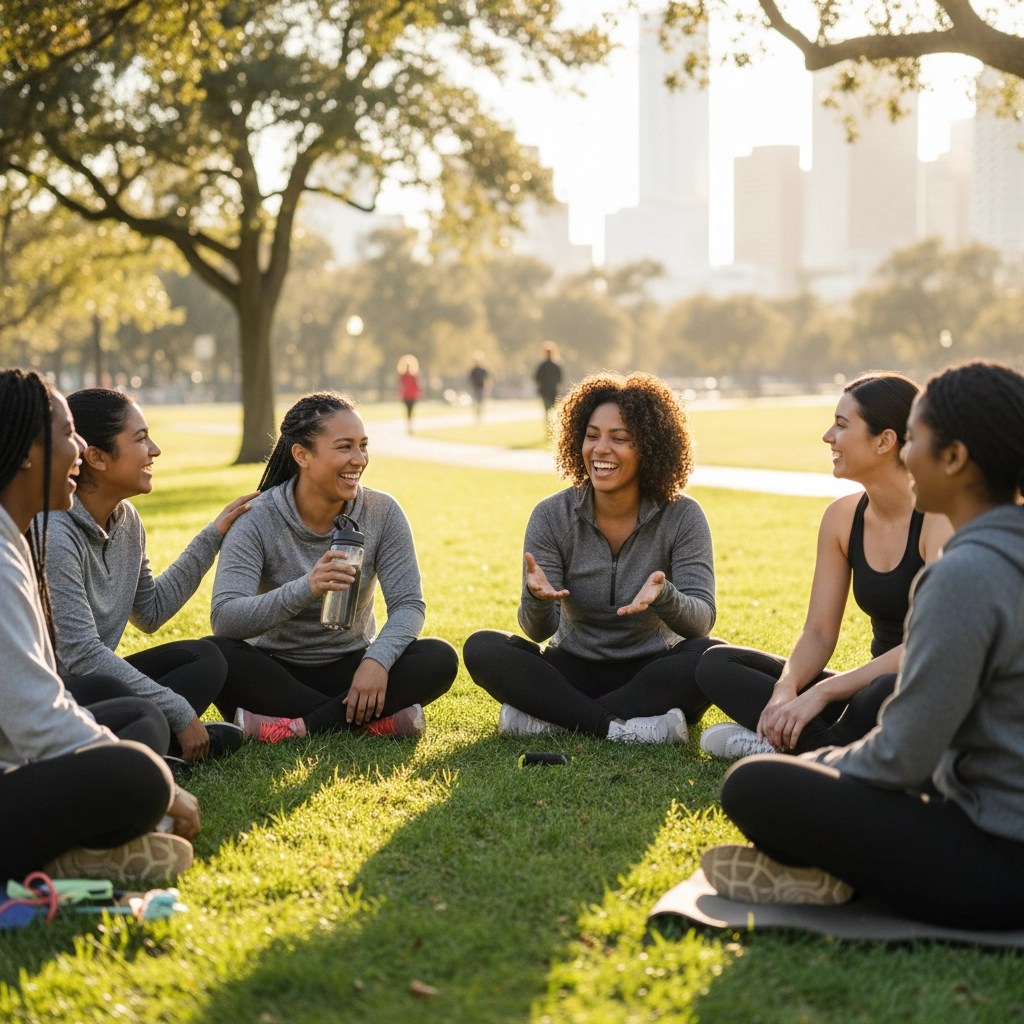
Y’all, we need to talk about what just happened these first six days of Walktober, where we’ve intentionally created space for the entire month to prioritize our physical health and increasing our mental well being.

What we witnessed wasn’t just people walking : it was a movement. It was community showing up for community. It was 61 beautiful souls saying “I’m here, I’m moving, and I’m bringing my people with me.”

The Numbers Don’t Lie (But They Tell a Story)

Let’s get into it. From October 1st through 6th, our Walktober family has been absolutely crushing it:

  • 61 participants stepped up to the challenge
  • 2,448,657 steps collectively taken : that’s nearly 2.5 million steps of healing
  • 1,113.03 miles covered together : enough to walk from New York to Florida
  • $1,810 raised for mental health resources in our community

But here’s the thing about numbers : they only matter when they represent real change. And behind every step, every mile, every dollar raised, there’s a story of someone choosing their mental wellness.

Walktober: Miles for the Mind

Why Walking Hits Different for Our Community

In Black and Brown communities, we’ve always known that movement is medicine. Our ancestors walked for freedom, for opportunity, for their families’ futures. Today, we walk for something just as important : our mental health.

When you step outside and move your body, you’re not just burning calories. You’re:

  • Releasing natural mood boosters : those endorphins that help fight depression and anxiety
  • Creating space to think : away from the chaos, the pressure, the constant demands
  • Connecting with nature : something that grounds us and reminds us we’re part of something bigger
  • Building community : because healing happens better together

Research shows that just 30 minutes of walking can reduce symptoms of depression by up to 36%. But in our community, where therapy isn’t always accessible or culturally affirming, walking becomes a form of self-care that doesn’t require appointments, insurance, or explaining yourself to anyone.

The Power of Showing Up Together

What moves us most about these first six days isn’t just the impressive mileage : it’s watching our community choose themselves. It’s seeing people who’ve been carrying heavy loads finally saying, “I deserve to feel lighter.”

Every participant who laced up their shoes and hit the pavement was making a statement: My mental health matters. My wellness is worth the effort. I’m not walking alone.

Here’s what we’re seeing beyond the numbers: families walking together after dinner instead of sitting in separate rooms with their screens. Coworkers organizing walking meetings. Friends checking in on each other’s progress and becoming accountability partners.

That’s the kind of energy that shifts generations.

Village is Possible

Mental Health in Motion: The Science Behind the Steps

Let’s talk about what’s really happening in your brain when you walk:

Stress Reduction: Walking lowers cortisol levels : that stress hormone that keeps us in fight-or-flight mode. For communities dealing with systemic stressors, this natural stress relief is crucial.

Improved Sleep: Regular walking helps regulate sleep patterns, and better sleep means better emotional regulation. We all know how different the world looks when we’re well-rested.

Boosted Confidence: Every mile completed is proof that you can commit to yourself and follow through. That confidence spills over into every area of life.

Social Connection: Whether you’re walking with family, friends, or connecting with our Walktober community online, you’re fighting isolation : one of depression’s strongest allies.

We’re Just Getting Started: The 300,000-Mile Vision

Now here’s where we need to talk about the big picture. Our Walktober goal isn’t just about individual wellness : we’re aiming for 300,000 miles collectively by the end of October.

Why 300,000? Because that number represents enough people in our community choosing mental wellness to create real, lasting change. It represents resources, awareness, and most importantly, it represents hope.

We’re already at 1,113 miles in just six days. At this pace, we’ll hit our goal : but we need more voices, more feet, more hearts in this movement.

Your Next Steps (Literally)

Ready to join this movement? Here’s how you can be part of something bigger than yourself:

For New Walkers:

  • Sign up for our Walktober challenge at cheeseonmycracker.com
  • Start where you are : even 10 minutes counts
  • Share your journey with #WalktoberHealing

For Current Participants:

  • Keep tracking those steps : every single one matters
  • Invite one person to join you this week
  • Share your story : your experience might be exactly what someone else needs to hear

For Community Supporters:

  • Donate to support mental health resources in Black and Brown communities
  • Sponsor a walker who might not have the resources to participate fully
  • Share our mission with your networks : mental health stigma ends with conversation

The Real Victory

At the end of the day, Walktober isn’t about who walks the most miles or raises the most money. It’s about a community that refuses to suffer in silence. It’s about normalizing mental health conversations. It’s about creating spaces where healing happens naturally, authentically, and collectively.

Every step you take is a step toward a community where mental wellness isn’t a luxury : it’s a given. Where seeking help isn’t shameful : it’s supported. Where our children grow up knowing that taking care of their minds is just as important as taking care of their bodies.

We’ve got 25 more days to reach 300,000 miles. But more importantly, we’ve got 25 more days to show our community that healing is possible, community is powerful, and every single step toward wellness matters.

Lace up those shoes. Your community is walking with you.

Ready to take your next step toward mental wellness? Visit cheeseonmycracker.com to join our Walktober challenge, track your progress, and connect with a community that’s walking toward healing together.

Brown Beige Skincare New Product Instagram Post
Articles

Walktober Partner Spotlight: Mountain Eagle Place

When we talk about healing in Black and Brown communities, we’re not just talking about fixing what’s broken: we’re talking about reclaiming what was always ours. That’s why we’re excited to spotlight our Walktober partner, Mountain Eagle Place, an organization that understands healing goes way deeper than just treating symptoms.

Walking the Path of Reclamation

Mountain Eagle Place is a sacred, frequency-focused, cultural education & healing center for reclamation, reconnection, and spiritual transformation. At MEP, they teach healthy community relationships, self-sustainability, and ancient healing practices to ease the soul homelessness created by colonization.

Read that again. Soul homelessness created by colonization.

That hits different, doesn’t it? Because that’s exactly what we’re dealing with in our communities: a disconnection from our roots, our practices, our understanding of wellness that goes beyond what Western medicine offers.

Mountain Eagle Place Logo

Where Our Missions Meet

At Getting My Cheese Back On My Cracker Foundation, we’ve always known that mental health isn’t just about therapy sessions and medication (though those have their place). It’s about community. It’s about culture. It’s about understanding that our ancestors had ways of healing that sustained them through the unimaginable.

Mountain Eagle Place gets this on a cellular level. While we focus on making mental health resources accessible and culturally competent for Black and Brown communities, they’re doing the deeper work: helping people reconnect with ancient wisdom that colonization tried to erase.

Think about it: How many of us grew up knowing that walking in nature was medicine? How many learned that community gatherings weren’t just social events but healing circles? How many understood that our bodies and minds are connected through frequencies, energy, and practices our grandmothers’ grandmothers knew by heart?

The Science Behind Ancient Wisdom

Here’s where it gets real interesting. Modern research is finally catching up to what indigenous communities have known forever. Walking: especially in nature: doesn’t just benefit your cardiovascular health. It literally rewires your brain.

Studies show that a 90-minute walk in nature can reduce activity in the brain’s subgenual prefrontal cortex, the area associated with depression and anxiety. But Mountain Eagle Place takes this further. They understand that walking isn’t just exercise: it’s a form of moving meditation, a way to reconnect with the earth, a practice that honors our ancestors who walked these lands long before concrete covered them.

When we partner with organizations like MEP for Walktober, we’re not just promoting physical fitness. We’re promoting cultural reclamation through movement.

Breaking Down Soul Homelessness

Let’s talk about this concept of “soul homelessness” because it’s probably the most accurate description of what many of us feel but can’t name.

Soul homelessness is that feeling that something’s missing, even when your basic needs are met. It’s the disconnection from your cultural practices, your community rhythms, your ancestral ways of being. It’s what happens when systems tell you that your grandmother’s remedies are “primitive” while charging you hundreds for treatments that do the same thing.

Mountain Eagle Place addresses this through:

  • Teaching healthy community relationships (because healing happens in community, not isolation)
  • Promoting self-sustainability (because depending solely on systems that weren’t designed for us isn’t healing)
  • Sharing ancient healing practices (because our ancestors survived and thrived for good reasons)

The Walking Medicine Connection

image_1

This is where Walktober becomes more than just a fitness challenge. When Mountain Eagle Place talks about reconnection and spiritual transformation, and we talk about accessible mental health, walking becomes the bridge.

In many African and Indigenous traditions, walking isn’t just transportation: it’s ceremony. It’s meditation. It’s problem-solving. It’s community building. Think about how many important conversations happen during walks. How many breakthroughs come during that rhythmic, meditative movement.

Research from Stanford University shows that walking boosts creative output by 60%. But in our communities, we’ve always known this. The best advice often comes during those walks with elders. The clearest thinking happens during those solo strolls when you need to work through something.

Community Healing Through Movement

What makes our partnership with Mountain Eagle Place so powerful is how it combines individual healing with community transformation. When you join Walktober, you’re not just improving your own mental health: you’re participating in a movement (literally) that honors cultural wisdom while addressing modern mental health needs.

Every step you take is:

  • A practice in mindfulness and present-moment awareness
  • An act of self-care that doesn’t require expensive equipment or memberships
  • A connection to ancestral practices of walking as medicine
  • A community-building activity when done with others
  • A form of cultural reclamation that says our traditional ways of healing are valid

Beyond the StepUp App

While we encourage everyone to track their steps and engage with our StepUp app, Mountain Eagle Place reminds us that the real tracking happens in your spirit. How do you feel after that morning walk? What thoughts come up during that evening stroll? How does your community feel when you’re all moving together?

The app can track your miles, but only you can track your healing.

Frequency and Healing

Mountain Eagle Place’s focus on frequency isn’t just spiritual talk: it’s science. Your body operates on different frequencies, and walking helps regulate them. Your heart rate, your breathing, your brainwaves: they all find their rhythm during walking meditation.

This is why walking in nature feels different from walking on a treadmill. This is why walking with intention feels different from just trying to hit step goals. This is why community walks feel different from solo exercise.

When you understand walking as frequency medicine, Walktober becomes a month-long healing ceremony.

Making It Accessible, Making It Ours

One thing we love about Mountain Eagle Place is their commitment to making ancient wisdom accessible without appropriating or commercializing it. They understand that healing practices belong to communities, not corporations.

Similarly, our Walktober challenge isn’t about competing with expensive fitness programs or making anyone feel inadequate about their current fitness level. It’s about meeting people where they are and honoring the wisdom that movement is medicine.

Whether you’re taking your first lap around the block or your fiftieth mile this month, you’re participating in cultural reclamation. You’re saying that our communities deserve wellness approaches that honor our whole selves: body, mind, and spirit.

Your Invitation to Healing

image_2

If you haven’t joined the Walktober Challenge yet, now is the perfect time. Remember to look out for the thank you email with instructions to join the challenge in the StepUp app: this is how you’ll connect with our community of walkers who understand that every step is an act of healing and resistance.

But don’t just join for the steps. Join for the connection to something deeper. Join for the community. Join for the understanding that your wellness isn’t separate from your culture: it’s enhanced by it.

Mountain Eagle Place reminds us that healing isn’t just about getting back to where we were before trauma. It’s about reclaiming who we were always meant to be. And sometimes, that journey begins with a single step.

The path to mental wellness isn’t just individual: it’s communal. It’s not just modern: it’s ancestral. And it’s not just about healing: it’s about reclaiming.

Ready to walk your way back to wholeness? Join the Walktober Challenge today and discover what happens when ancient wisdom meets modern wellness, when community healing meets individual transformation, and when every step becomes an act of cultural reclamation.

Because your wellness journey shouldn’t require you to leave your culture at the door. With partners like Mountain Eagle Place, it doesn’t have to.

Ready to start? Register here 

UO3K4lYYlas
Articles

Village Is Possible: Transforming Mental Health Care

The partnership between Village Is Possible and the Getting My Cheese Back On My Cracker Foundation emphasizes community-centered mental wellness for Black and Brown families. By utilizing peer support, holistic practices, and addressing systemic trauma, they foster healing through cultural understanding and lasting relationships, underscoring the necessity of rebuilding supportive communities.

FzJ_GPlKpYY
Articles

How Breathing Techniques Can Calm Anxiety: 3 Simple Exercises for Your Daily Life

Life comes at us fast, especially in our communities where we’re often juggling multiple responsibilities, facing systemic stressors, and carrying the weight of generational experiences. Whether you’re dealing with workplace microaggressions, financial pressures, family obligations, or just the daily grind of navigating the world, anxiety can feel overwhelming. But here’s something powerful you already carry with you everywhere: your breath.

Breathing techniques aren’t just trendy wellness practices – they’re scientifically-backed tools that can help you reclaim your calm in moments of stress. The best part? They’re free, accessible, and you can use them anywhere, anytime. Let’s explore how your breath can become your secret weapon against anxiety.

Why Breathing Actually Works for Anxiety

When anxiety hits, your body goes into survival mode. Your breathing becomes shallow and rapid, your heart races, and your muscles tense up. This is your sympathetic nervous system – the part that handles “fight or flight” responses – taking over. While this response served our ancestors well when facing immediate physical danger, it’s not so helpful when you’re stressed about a work presentation or worried about paying bills.

Here’s the game-changer: intentional breathing exercises directly activate your parasympathetic nervous system, which is responsible for your body’s “rest and digest” response. Research shows that while deep inhaling is linked to stress responses, exhaling activates the relaxation response. This is why many effective breathing techniques focus on extending your exhale – it’s literally telling your body to chill out.

image_1

When you practice structured breathing patterns, you’re essentially hacking your nervous system. You’re interrupting the anxiety cycle and giving your body permission to relax. This isn’t just feel-good advice – it’s backed by science and used by everyone from military personnel to healthcare workers to manage stress in high-pressure situations.

Box Breathing: Your Portable Peace Tool

Box breathing, also called square breathing, is so effective that it’s used by Navy SEALs and other military personnel to stay calm under extreme pressure. The technique gets its name because you’re essentially “drawing” a square with your breath – each side of the square represents a different phase of breathing, all timed equally.

How Box Breathing Helps:
This technique creates a steady, predictable rhythm that gives your mind something to focus on besides anxious thoughts. It slows your heart rate, lowers blood pressure, and helps you feel more centered and in control.

Step-by-Step Instructions:

  1. Find a comfortable position – sitting at your desk, in your car, or even standing in line at the store
  2. Exhale completely to empty your lungs
  3. Breathe in slowly through your nose for 4 counts
  4. Hold your breath for 4 counts (don’t strain – this should feel comfortable)
  5. Exhale slowly and steadily through your mouth for 4 counts
  6. Hold empty for 4 counts
  7. Repeat the cycle 4-6 times, or until you feel calmer

Pro Tip: Visualize drawing a square as you breathe. Start at the bottom left corner, move up as you inhale, across the top as you hold, down the right side as you exhale, and across the bottom as you hold empty. This visualization helps keep your mind engaged and prevents it from wandering back to stressful thoughts.

The 4-7-8 Technique: Your Natural Sleep Aid

The 4-7-8 breathing technique, popularized by Dr. Andrew Weil, is particularly effective for anxiety that interferes with sleep. This method is sometimes called a “natural tranquilizer” because of its ability to quickly calm the nervous system. It’s especially helpful when your mind is racing at night or when you need to wind down after a stressful day.

How 4-7-8 Breathing Helps:
The extended exhale in this technique is key to its effectiveness. By making your exhale almost twice as long as your inhale, you’re maximizing the activation of your parasympathetic nervous system. This technique also requires concentration, which helps quiet racing thoughts.

Step-by-Step Instructions:

  1. Sit or lie down in a comfortable position
  2. Place the tip of your tongue against the tissue behind your upper teeth (this helps control the exhale)
  3. Exhale completely through your mouth, making a “whoosh” sound
  4. Close your mouth and inhale quietly through your nose for 4 counts
  5. Hold your breath for 7 counts
  6. Exhale through your mouth for 8 counts, making the “whoosh” sound
  7. Repeat the cycle 3-4 times (don’t do more than 4 cycles when starting out)

Important Note: If holding your breath for 7 counts feels uncomfortable, you can modify the timing. Try a 4-4-6 pattern instead, or even 2-3.5-4. The key is maintaining the ratio where the exhale is longer than the inhale.

image_2

Diaphragmatic Breathing: Strengthening Your Natural Calm

Many of us breathe shallowly throughout the day, using only our chest muscles instead of our diaphragm. This type of breathing can actually contribute to feelings of anxiety and stress. Diaphragmatic breathing, also called belly breathing, teaches you to breathe deeply and efficiently, using your diaphragm as it was designed to be used.

How Diaphragmatic Breathing Helps:
This technique not only calms immediate anxiety but also strengthens your respiratory system over time. Regular practice can help you naturally breathe more deeply throughout the day, reducing overall stress levels. It’s particularly effective for people who experience anxiety-related shortness of breath or chest tightness.

Step-by-Step Instructions:

  1. Lie down on your back or sit comfortably in a chair
  2. Place one hand on your chest and another on your belly, just below your ribcage
  3. Breathe in slowly through your nose, allowing your belly to push your hand out while your chest hand stays relatively still
  4. Breathe out slowly through pursed lips (like you’re blowing out a candle), feeling your belly hand move inward
  5. The hand on your chest should move very little throughout this exercise
  6. Continue for 5-10 minutes, focusing on the rise and fall of your belly

Getting Started: Don’t worry if this feels awkward at first – many people have to retrain themselves to breathe with their diaphragm. Practice when you’re relaxed, like when watching TV or before bed, so it becomes second nature.

Making These Techniques Work in Your Daily Life

The beauty of breathing exercises is their flexibility. You don’t need a quiet meditation room or special equipment. Here are some practical ways to incorporate these techniques into your real life:

At Work: Use box breathing before important meetings, during your lunch break, or when dealing with difficult situations. You can do this at your desk without anyone noticing.

During Commutes: Practice diaphragmatic breathing while stuck in traffic or waiting for public transportation. It’s a productive way to use time that might otherwise increase your stress.

Before Sleep: The 4-7-8 technique is particularly effective for quieting nighttime anxiety and helping you fall asleep faster.

In Social Situations: If you feel anxious in social settings, excuse yourself to the restroom and practice a few rounds of box breathing to reset.

During Family Stress: When family dynamics get intense, step outside or into another room for some diaphragmatic breathing to maintain your composure.

image_3

Building Your Breathing Practice

Start small and be consistent rather than trying to do everything at once. Pick one technique that resonates with you and practice it for a week. Once it feels natural, you can add another technique or use different ones for different situations.

Remember, these techniques are tools for empowerment. In a world that often feels chaotic and out of our control, your breath is something that’s always yours to command. You’re not just managing anxiety – you’re building resilience, creating space for clarity, and taking an active role in your mental health.

Your breathing practice is also a form of self-care that doesn’t cost anything and doesn’t require anyone else’s permission or participation. In communities where we’re often taught to put everyone else’s needs first, taking time to breathe is a radical act of self-preservation and self-love.

The Science Behind Your Success

Research consistently shows that regular breathing practice can reduce anxiety, lower blood pressure, improve sleep quality, and enhance overall emotional regulation. A study published in the Journal of Clinical Medicine found that controlled breathing exercises can significantly reduce anxiety levels and improve heart rate variability – a marker of nervous system health.

Another study in the International Journal of Yoga found that diaphragmatic breathing practice for just 15 minutes daily over 8 weeks led to significant reductions in cortisol levels (the stress hormone) and improvements in attention and emotional regulation.

These aren’t just numbers in a study – they represent real people finding real relief from anxiety through something as simple as changing how they breathe.

Your breath is always with you, ready to be your ally in moments of stress and anxiety. Whether you’re facing systemic pressures, personal challenges, or just the everyday stresses of life, these techniques offer you a way to find your center and reclaim your calm. Start with one technique, practice it regularly, and notice how this simple shift can create profound changes in how you navigate the world.

Remember: you have the power to influence your anxiety, one breath at a time.

3XY4dPoDEhA
Articles

Walktober Partner Spotlight: King's Treasure

When it comes to building bridges in mental health advocacy, partnership isn’t just about combining resources: it’s about amplifying voices that might otherwise go unheard. This October, as we prepare for our Walktober: Miles for the Mind initiative, we’re thrilled to spotlight one of our key partners: King’s Treasure.

King's Treasure Logo

Who is King’s Treasure?

King’s Treasure is a family-owned homestead and small business focused on crafting handmade, natural healing creations that empower individuals toward wellness. Rooted in love, intention, and community care, they work with organic, sustainably sourced materials to create pieces that feel good, last long, and carry meaning.

From crystal and gemstone jewelry to incense, hiking staffs, and more, their offerings span a wide range of wearable and daily-use tools for grounding and spiritual uplift. Most pieces are made by hand—often right in front of you at festivals—and can be custom-sized or made-to-order for a truly personal experience. Their commitment to quality, durability, and spiritual empowerment aligns beautifully with our belief that everyone deserves to get their cheese back on their cracker.

We also want to acknowledge that King’s Treasure shares their wisdom through wellness services and educational programs, including holistic meal prep classes, yoga, qi gong, astrology readings, and “hiking to heal” group adventures—all designed to help folks build sustainable wellness habits in everyday life.

What Makes King’s Treasure Unique

  • Handmade, slow-crafted quality: Every item is created with care, using organic, sustainably sourced materials. Pieces are built for durability and everyday wear.
  • Personal, custom experience: Need a different size or a particular stone? They’ll custom-size and make-to-order so your piece supports your intentions and your lifestyle.
  • Made with (and among) community: They often craft live at festivals and markets, giving folks a chance to watch, ask questions, and connect with the story behind each creation.

image_1

Their catalog includes crystal and gemstone jewelry, incense, hiking staffs, and more—each designed to support mindfulness, protection, clarity, and balance. These aren’t just products; they’re tools that invite moments of pause, breath, and self-affirmation.

Beyond goods, King’s Treasure offers wellness services and learning experiences that meet people where they are:

  • Holistic meal prep classes to make nourishing food doable and delicious
  • Yoga and qi gong to reconnect breath, body, and nervous system
  • Astrology readings for reflective insight and intention-setting
  • “Hiking to heal” group adventures that blend movement, nature, and community

This blend of tangible tools and guided practices creates an accessible pathway to wellness that resonates within Black and brown communities—honoring culture, embracing resilience, and reducing stigma around mental health.

Where Synergy Occurs

The partnership between Getting My Cheese Back On My Cracker Foundation and King’s Treasure comes to life where wellness, culture, and community meet. We advocate for mental health access and education; they offer tangible tools and practices that make everyday wellness feel doable and affirming.

For Walktober: Miles for the Mind, that synergy looks like movement with meaning. Think mindful miles supported by “hiking to heal” group adventures, grounding with hiking staffs, breathwork from yoga and qi gong, and reflective moments sparked by intentional jewelry and incense. Together we help folks move their bodies, calm their minds, and strengthen community ties.

We’re both committed to reducing stigma and making culturally relevant wellness accessible. While our foundation connects people to mental health resources and safe conversations, King’s Treasure shows up in person—often crafting live at festivals—so participants can learn, ask questions, and even request custom-sized or made-to-order pieces that fit their journey.

image_2

Bottom line: Walktober is a perfect space for our shared focus on quality, durability, and spiritual empowerment. Side by side, we’re creating experiences that help our community get their cheese back on their cracker—one intentional step at a time.

The Critical Importance of Partnership in Mental Health Advocacy

The statistics surrounding mental health in Black and brown communities paint a sobering picture. According to the National Alliance on Mental Illness, Black adults are 20% more likely to experience serious mental health problems, yet only one in three Black adults who need mental health care actually receives it. These numbers aren’t just statistics: they represent friends, family members, and community leaders who are struggling in silence.

Partnership amplifies our ability to address these disparities head-on. When organizations like King’s Treasure and Getting My Cheese Back On My Cracker Foundation join forces, we create a network of support that extends far beyond what either organization could accomplish alone. We’re able to reach more people, provide more comprehensive services, and address the multifaceted nature of mental health challenges in our communities.

The importance of partnership becomes even more critical when we consider the complex factors that contribute to mental health disparities in Black and brown communities. These include historical trauma, ongoing discrimination, economic stressors, and limited access to culturally competent care. No single organization can address all these factors effectively, but through strategic partnerships, we can create a web of support that addresses these challenges from multiple angles.

image_3

Partnerships also help combat the isolation that often accompanies mental health struggles. When community members see multiple organizations working together, it sends a powerful message: you are not alone, and there is a community of support available to you. This message is particularly important in communities where seeking mental health support has historically been stigmatized or seen as a sign of weakness.

Through our partnership with King’s Treasure, we’re also able to model healthy collaboration for the communities we serve. Many individuals struggling with mental health challenges also struggle with relationship building and maintaining social connections. By demonstrating what positive, supportive partnerships look like, we provide a template for the kinds of relationships that support mental wellness.

Spreading the Word: Community-Wide Impact

The partnership between our organizations represents more than just collaboration: it’s a movement toward community-wide mental health transformation. When King’s Treasure and Getting My Cheese Back On My Cracker Foundation work together, we create multiple touchpoints for community education and engagement.

Our joint efforts during Walktober will serve as a powerful platform for spreading awareness about mental health resources and reducing stigma. Every step taken during our Miles for the Mind event will be a step toward normalizing conversations about mental wellness in Black and brown communities. Participants will not only experience the mental health benefits of physical activity but will also connect with resources and support networks they might not have known existed.

The educational component of our partnership is particularly crucial. Both organizations bring unique perspectives and expertise to mental health education, creating a more comprehensive and culturally relevant learning experience for community members. King’s Treasure’s strength-based approach combined with our foundation’s practical resource development creates educational programming that is both inspiring and actionable.

Looking Forward: Walktober and Beyond

As we approach Walktober, the excitement around our partnership with King’s Treasure continues to build. This collaboration represents more than just a single event: it’s the foundation for ongoing work that will have lasting impact on our community’s mental health landscape.

The Miles for the Mind initiative will serve as a launching pad for deeper conversations about mental wellness, community support, and the power of partnership in creating positive change. Participants will experience firsthand how physical activity, community connection, and culturally responsive support can work together to promote mental wellness.

Beyond Walktober, our partnership with King’s Treasure will continue to evolve and grow. We’re committed to finding new ways to combine our strengths and resources to serve our community more effectively. Whether through joint programming, shared resources, or collaborative advocacy efforts, this partnership will continue to generate positive outcomes for mental health in Black and brown communities.

The collaboration with King’s Treasure exemplifies what’s possible when organizations unite around a shared vision of mental health equity and community empowerment. Together, we’re not just spreading the word about mental health: we’re creating a movement that recognizes the inherent worth and potential that exists within every individual and every community.

As we prepare for Walktober, we invite you to join us in celebrating this powerful partnership and the positive change it represents. Every step we take together is a step toward a future where mental health support is accessible, culturally relevant, and empowering for all members of our community.

OBB-ZcCfiO3
Articles

Walktober Partner Spotlight: Chicks with Kicks

This October, we’re thrilled to spotlight one of our incredible Walktober partners: Chicks with Kicks. As we continue our mission to elevate mental health awareness and support within Black and brown communities, partnerships like this one amplify our reach and deepen our impact. Together, we’re proving that wellness isn’t just about individual healing: it’s about building community, breaking barriers, and creating spaces where everyone can thrive.

Who Are Chicks with Kicks?

Chicks With Kicks Logo

Chicks with Kicks is a dynamic running club based in Dallas, Texas, that’s all about empowering women to crush their fitness goals while having an absolute blast. Founded on the principle that fitness should be fun, accessible, and community-driven, this organization has created a space where women come together to support each other’s physical and mental wellness journeys.

Located at 5473 Blair Road, Suite 100 in Dallas, Chicks with Kicks operates as more than just a running club: they’re a wellness community that understands the profound connection between physical movement and mental health. Their approach centers around the belief that when women support women, incredible transformations happen.

The organization offers a comprehensive range of programs designed to meet women where they are in their fitness journey. From beginner-friendly running clinics to educational lectures on wellness topics, Chicks with Kicks ensures that every member has access to the tools and knowledge they need to succeed. Their motto of “ditch the boring workouts and join the party” reflects their commitment to making fitness enjoyable and sustainable.

What Makes Chicks with Kicks Unique?

What sets Chicks with Kicks apart is their holistic approach to women’s wellness that extends far beyond just running. They recognize that true fitness encompasses physical, mental, and emotional well-being: a philosophy that resonates deeply with our own mission at Getting My Cheese Back On My Cracker Foundation.

Community-First Mentality: Unlike traditional fitness programs that focus solely on individual achievement, Chicks with Kicks prioritizes community building. They understand that for many women, especially women of color, having a supportive network can be the difference between giving up and pushing through. Their group runs become therapy sessions on the move, where participants share struggles, celebrate victories, and build lasting friendships.

Educational Excellence: Beyond the physical activity, Chicks with Kicks incorporates educational components into their programming. Their lectures cover topics ranging from nutrition and injury prevention to stress management and mental health awareness. This educational approach ensures that members develop a comprehensive understanding of wellness that they can apply to all areas of their lives.

Accessibility and Inclusivity: The organization works hard to create an inclusive environment where women of all fitness levels, backgrounds, and ages feel welcome. They offer various program tracks, ensuring that whether you’re a complete beginner or an experienced runner, there’s a place for you in their community.

Adventure-Based Approach: By framing every run as an “adventure,” Chicks with Kicks transforms what many perceive as a chore into an exciting journey of self-discovery. This mindset shift is particularly powerful for addressing mental health challenges, as it helps participants develop a more positive relationship with physical activity and self-care.

image_1

Where Synergy Occurs: Aligning Missions for Maximum Impact

The partnership between Getting My Cheese Back On My Cracker Foundation and Chicks with Kicks creates powerful synergy that amplifies both organizations’ missions. Here’s where our values and efforts intersect to create meaningful change:

Mental Health Through Movement: Research consistently shows that physical activity, particularly aerobic exercise like walking and running, can be as effective as medication for treating mild to moderate depression. For Black and brown communities, where mental health stigma often prevents people from seeking traditional treatment, movement-based interventions offer an accessible entry point to wellness.

Community Healing: Both organizations understand that healing happens in community. While our foundation focuses on providing mental health resources and reducing stigma through education and storytelling, Chicks with Kicks creates the physical spaces where that healing can occur. Their group runs become informal therapy sessions where participants can process stress, build resilience, and develop coping strategies.

Addressing Cultural Barriers: In many Black and brown communities, there are cultural barriers to both fitness participation and mental health care. Together, we’re working to dismantle these barriers by showing that self-care isn’t selfish: it’s essential. When Chicks with Kicks members prioritize their physical health, they’re also investing in their mental wellness, and they’re modeling healthy behaviors for their families and communities.

Holistic Wellness Approach: Our partnership recognizes that mental health can’t be separated from physical health, social connection, and community support. By combining our foundation’s mental health expertise with Chicks with Kicks’ fitness programming, we’re offering a comprehensive wellness solution that addresses the whole person.

The Importance of Partnership in Spreading Mental Health Awareness

Partnerships like the one between our foundation and Chicks with Kicks are crucial for spreading mental health awareness and reducing stigma in Black and brown communities. Here’s why collaboration is so powerful:

Expanding Reach: Individually, both organizations serve important but limited audiences. Together, we can reach women who might not typically seek out mental health resources but are interested in fitness and wellness. This crossover approach helps us connect with people who need support but might not know where to find it.

Creating Multiple Entry Points: Not everyone is ready to walk into a therapist’s office, but they might be willing to join a running group. By partnering with Chicks with Kicks, we’re creating alternative pathways to mental wellness. As participants build physical strength and community connections, they often become more open to exploring other aspects of their mental health.

Normalizing Mental Health Conversations: When mental health topics are integrated into fitness programming, it helps normalize these conversations. Participants learn that talking about stress, anxiety, and depression is just as important as discussing running techniques and nutrition. This normalization is crucial for reducing stigma in communities where mental health is often viewed as taboo.

Building Trust: Trust is essential for effective mental health outreach, particularly in communities that have experienced historical medical discrimination. By partnering with established, trusted organizations like Chicks with Kicks, we can build credibility and reach people who might be skeptical of traditional mental health services.

image_2

Walktober: A Month of Movement and Mental Wellness

During Walktober, our partnership with Chicks with Kicks takes on special significance. Walking and running events throughout the month serve multiple purposes:

Physical Activity as Medicine: Every step taken during Walktober is a step toward better mental health. The endorphins released during physical activity can help alleviate symptoms of depression and anxiety, while the rhythmic nature of walking and running can serve as a form of moving meditation.

Community Building: Walktober events bring people together, creating opportunities for social connection and support. For many participants, these gatherings become the highlight of their month: a chance to connect with like-minded individuals who understand their struggles and celebrate their victories.

Skill Building: Through Chicks with Kicks programming during Walktober, participants learn practical skills for managing stress and maintaining mental wellness. These skills extend far beyond the running track, helping people cope with workplace stress, family challenges, and other life difficulties.

Inspiration and Motivation: Seeing other women prioritize their health and wellness can be incredibly motivating. Walktober provides numerous opportunities for participants to witness transformation stories, connect with role models, and envision their own potential for change.

The Ripple Effect: Impact Beyond Individual Participants

The impact of our partnership extends far beyond the individual women who participate in Chicks with Kicks programming. When women prioritize their mental and physical health, it creates positive ripple effects throughout their families and communities:

Modeling Healthy Behaviors: Participants become role models for their children, showing them that self-care is important and that physical activity can be enjoyable. This modeling helps break generational cycles of poor health habits and mental health stigma.

Community Leadership: Many Chicks with Kicks members become advocates for wellness in their broader communities. They share what they’ve learned, encourage friends and family members to prioritize their health, and help create cultural shifts around wellness and mental health.

Economic Impact: Healthier communities are more prosperous communities. When individuals address their mental health challenges and build resilience, they’re better able to succeed in their careers, maintain stable housing, and contribute to their local economies.

Moving Forward Together

As we celebrate our partnership with Chicks with Kicks during Walktober and beyond, we’re reminded of the power of collaboration in creating positive change. This partnership represents more than just two organizations working together: it’s a testament to what’s possible when we combine our resources, expertise, and passion for community wellness.

For those interested in learning more about our mission and resources, visit us at cheeseonmycracker.com. Whether you’re looking for mental health support, community connection, or simply want to learn more about our work, we’re here to help you get your cheese back on your cracker.

Together with Chicks with Kicks and our other Walktober partners, we’re creating a movement that recognizes the interconnected nature of physical and mental wellness. We’re building communities where Black and brown women can thrive, where mental health conversations are normalized, and where every step forward, literally and figuratively: is celebrated as a victory worth sharing.

7b59eb09-9905-453f-9fe7-b25858d4484a-hero-picture (1)
Articles

Top 10 Issues Caregivers Face When Caring for a Loved One

Caring for a loved one is one of life’s most meaningful yet challenging experiences. In the United States, over 53 million adults serve as unpaid family caregivers, with many dedicating more than 20 hours per week to this vital role. For Black and brown communities, these challenges are often amplified by systemic barriers, cultural expectations, and limited access to resources. Understanding these common issues can help caregivers better prepare, seek support, and maintain their own wellbeing while providing compassionate care.

1. Emotional and Psychological Overwhelm

The mental health impact of caregiving cannot be understated. Research shows that 40% of family caregivers report high levels of emotional stress, with rates of depression and anxiety significantly higher than the general population. For caregivers in Black and brown communities, this burden is often compounded by cultural expectations to be the “strong one” in the family.

Depression among caregivers is particularly concerning, affecting nearly 38% of family caregivers according to recent studies. The constant worry, grief over a loved one’s declining health, and feeling overwhelmed by responsibilities create a perfect storm for mental health challenges. Many caregivers experience what psychologists call “anticipatory grief” – mourning the loss of their loved one’s abilities before they’re gone.

image_1

2. Physical Health Deterioration

Caregiving takes a serious toll on physical health, with 60% of caregivers reporting negative impacts on their own wellbeing. The physical demands of lifting, helping with mobility, and maintaining constant vigilance lead to chronic pain, sleep disruption, and compromised immune systems.

Caregivers are at increased risk for cardiovascular disease, diabetes, and chronic conditions. The stress hormone cortisol, when elevated for prolonged periods, wreaks havoc on the body’s systems. Many caregivers develop what researchers call “caregiver syndrome” – a combination of physical exhaustion, emotional depletion, and health decline directly related to their caregiving responsibilities.

3. Financial Strain and Economic Impact

The financial burden of caregiving is staggering. On average, family caregivers spend $7,000 annually out of their own pockets on caregiving-related expenses. For many families in Black and brown communities, where median household wealth is significantly lower, this financial strain can be devastating.

Many caregivers reduce work hours or leave employment entirely, losing not only current income but also retirement benefits and career advancement opportunities. The National Alliance for Caregiving found that 61% of working caregivers have made workplace accommodations, including taking unpaid leave, reducing hours, or turning down promotions.

4. Social Isolation and Relationship Strain

Caregiving often leads to profound social isolation. The demanding schedule leaves little time for maintaining friendships, participating in community activities, or enjoying personal hobbies. This isolation is particularly challenging in cultures where extended family and community connections are central to identity and support systems.

Relationships with spouses, children, and friends often suffer as caregiving demands increase. Many caregivers report feeling disconnected from their former lives and struggling to maintain their sense of self outside of their caregiving role. This isolation can exacerbate depression and anxiety, creating a cycle that becomes increasingly difficult to break.

image_2

5. Navigating Complex Healthcare Systems

Healthcare navigation presents unique challenges, especially for caregivers from communities that have historically faced discrimination in medical settings. Understanding insurance coverage, coordinating between multiple specialists, and advocating for quality care requires significant time and knowledge.

For families where English is not the primary language, or where there are cultural differences in understanding medical concepts, these challenges multiply. Research shows that patients from minority communities often receive lower quality care, and caregivers must work harder to ensure their loved ones receive appropriate treatment and respect.

6. Managing Multiple Chronic Conditions

Elderly patients often live with multiple chronic conditions simultaneously – a situation called multimorbidity. This creates complex care scenarios where treatments for one condition may negatively affect another. Caregivers must become experts in various medical conditions, understand how they interact, and coordinate care across multiple healthcare providers.

The mental load of tracking appointments, medications, symptoms, and treatment plans can be overwhelming. Many caregivers report feeling like they need medical degrees to properly advocate for their loved ones and make informed decisions about care options.

7. Medication Management Challenges

Polypharmacy – the use of multiple medications – is common among elderly patients and creates significant challenges for caregivers. Managing complex medication schedules, understanding side effects, and ensuring compliance requires constant vigilance and organization.

The risk of dangerous drug interactions increases with each additional medication. Caregivers must track not only prescription medications but also over-the-counter drugs and supplements, coordinate refills, and monitor for adverse reactions. This responsibility can be particularly stressful when caring for someone with cognitive impairment who may forget they’ve taken medication or resist taking prescribed treatments.

image_3

8. Cultural and Family Expectations

In many Black and brown communities, there are strong cultural expectations about family caregiving. The concept of caring for elders within the family is deeply valued, but it can also create additional pressure and guilt when caregivers struggle to meet these expectations while managing their own lives.

Religious and cultural beliefs may influence care decisions, sometimes creating conflicts with medical recommendations. Caregivers often find themselves navigating between honoring cultural traditions and ensuring their loved ones receive optimal medical care. The pressure to be the “perfect” caregiver while maintaining cultural and family honor can be overwhelming.

9. Cognitive Impairment and Behavioral Challenges

Caring for someone with dementia, Alzheimer’s disease, or other forms of cognitive impairment presents unique challenges. Behavioral symptoms such as aggression, wandering, sleep disturbances, and personality changes can be emotionally devastating for family members.

The person they’ve known and loved may seem to disappear, while their physical presence remains. This creates a unique form of grief called “ambiguous loss.” Caregivers must learn new communication strategies, implement safety measures, and cope with the unpredictable nature of cognitive decline while managing their own emotional responses to these changes.

10. Limited Access to Culturally Competent Support Services

Many support services and resources are not designed with cultural competency in mind. Language barriers, cultural misunderstandings, and lack of diverse staff can make accessing help difficult for caregivers from minority communities.

Traditional support groups may not address culturally specific challenges or may feel unwelcoming to caregivers who don’t see their experiences reflected. This lack of culturally appropriate resources leaves many caregivers feeling isolated and unsupported, unable to access help that could significantly improve their situation and mental health.

The Path Forward: Building Resilience and Seeking Support

Understanding these challenges is the first step toward building resilience and creating sustainable caregiving arrangements. It’s crucial for caregivers to recognize that experiencing these difficulties doesn’t reflect personal failure – they’re systemic issues that require community-wide solutions.

Mental health support specifically designed for caregivers can provide valuable coping strategies and emotional relief. Building networks with other caregivers who share similar cultural backgrounds can offer both practical advice and emotional validation. Most importantly, caregivers must remember that taking care of themselves isn’t selfish – it’s necessary for providing quality care to their loved ones.

The journey of caregiving is complex and demanding, but with proper support, resources, and understanding, families can navigate these challenges while preserving their own wellbeing and honoring their loved ones with dignity and compassion.

Sources:

  • National Alliance for Caregiving and AARP. (2020). Caregiving in the United States 2020
  • Family Caregiver Alliance. (2019). Caregiver Health and Wellbeing Study
  • American Psychological Association. (2021). Stress and Caregiving Research Report
cfade5f3-d855-47c7-aaaf-a7c84242985d-hero-picture
Articles

Imposter Syndrome: Why We Feel It and How to Reclaim Our Confidence

Imposter syndrome is that sneaky feeling that you’re a fraud, even when you’ve worked hard and earned your place. You might chalk your wins up to luck, a timing thing, or someone “taking a chance on you.” If those thoughts sound familiar, you’re definitely not alone—studies show up to 70% of people will experience imposter syndrome at some point (Sakulku & Alexander, 2011).

For Black and Brown communities, these feelings can hit even harder because of cultural expectations, systemic barriers, and social pressures. Whether you’re the first in your family to reach a new career height or constantly code-switching to “fit in,” imposter syndrome can feel like an old, unwelcome friend. Let’s break down why these feelings show up, how they mess with our mental well-being, and—most importantly—how to start reclaiming our confidence.


What Really Is Imposter Syndrome?

Imposter syndrome is a psychological pattern where individuals seriously doubt their achievements and fear being exposed as a “fraud,” even if there’s plenty of evidence showing otherwise (Clance & Imes, 1978; NCBI, 2021). It doesn’t matter if you’re a student, entrepreneur, creative, manager, or leader—imposter thoughts can creep up in any career stage, at any age.

For some, it’s a quiet background hum (“I don’t belong here”). For others, it’s a loud, persistent drum (“Any minute now, they’ll figure out I don’t know what I’m doing”).

Quick Stats:

  • More than 7 in 10 people will experience imposter syndrome at least once (Sakulku & Alexander, 2011).
  • Black and Brown professionals often report higher imposter feelings—especially when they’re in predominantly White or male-dominated spaces (Cokley et al., 2017).

image_1


Why We Feel Like Imposters: Digging Into the Roots

Let’s be real—imposter syndrome doesn’t appear out of thin air. A mix of individual, cultural, and systemic factors brings it to the table.

Personal and Psychological Factors

  • Perfectionism: If you grew up in an environment where mistakes weren’t tolerated or achievements had to be “exceptional,” perfectionist thinking becomes a breeding ground for self-doubt.
  • Upward Mobility: Many in Black and Brown communities carry “first and only” energy—the first to go to college, first in the family in corporate America, or the only Black person in the room. With new territory comes uncertainty and worry that you don’t measure up.
  • Internalized Stereotypes: Decades of stereotypes about intelligence, drive, or deservingness can make us downplay our achievements (“Did I get this because they needed a diversity hire?”).

Social & Cultural Factors

  • Family Expectations: Cultural pride can sometimes add more pressure—“You better not let the family down!”
  • Code-Switching Fatigue: Adjusting how you talk, dress, or act at work to fit in can drain your energy and sense of authenticity.
  • Lack of Representation: When you rarely see people who look like you at the top, self-doubt creeps in fast. (“Do I really belong here?”)

Structural and Institutional Issues

  • Microaggressions: Subtle insults or dismissals (“You speak so well!” or “You’re surprisingly articulate!”) reinforce feelings of not belonging.
  • Glass Ceilings: Fewer mentorship opportunities and visible leadership positions for Black and Brown folks make it harder to see a clear path upward.

image_2


Imposter Syndrome and Mental Health: What’s at Stake?

Living with imposter syndrome is more than just a bad day—it can impact mental health, career paths, and relationships. The stress of always having to “prove yourself,” on top of everyday responsibilities, can lead to:

  • Chronic anxiety or worry
  • Depression or low moods
  • Burnout and exhaustion
  • Avoidance of new challenges and opportunities

For Black and Brown communities—including students, entrepreneurs, and professionals—the costs are even greater when coupled with external biases or discrimination. That’s why it’s so important not just to understand imposter syndrome, but to have strategies for reclaiming your self-worth.


How to Reclaim Confidence (Even When It Feels Out of Reach)

Ready to kick imposter syndrome to the curb? Here’s what works, according to research and real-life experience—from board rooms and classrooms to community meetings.

1. Practice Radical Self-Compassion

Show yourself the same kindness you’d give a friend. Yes, you deserve to be here. Yes, everyone makes mistakes and learns as they go. Tiny self-acknowledgments—“I put in the work. I belong.”—can chip away at self-doubt (Neff, 2003).

Action Step:

Start each week with a “gratitude for self” journal entry. Jot down a recent win, no matter how small.


2. Reframe Failure as Learning

“Failure” does not define you. In fact, it’s how most people make their biggest breakthroughs. Challenge the idea that setbacks mean you’re a fraud—instead, treat them as feedback.

Action Step:

Make a list of three things you learned from a recent stumble. Then, list how those lessons will help you do better next time.


3. Talk Back to Your Inner Critic

Our brains are pros at highlighting flaws. Flip the script. Catch negative self-talk and consciously replace it:

  • Instead of “I don’t deserve this,” say “I put in the work to get here.”
  • Instead of “They’ll find out I’m not good enough,” try “Learning is part of my growth.”

Action Step:

When an imposter thought pops up, write it down. Then write three reasons it isn’t true.


4. Set Realistic Standards and Boundaries

Perfection is not the goal—progress is. Growth happens in the zone between comfort and challenge, not the land of impossible standards.

Action Step:

Give yourself permission to be “good enough” on tasks that aren’t top priority. Save your best energy for things that truly matter.


5. Seek Out Community and Mentorship

Imposter syndrome thrives in isolation. Connect with others who understand your experience—especially mentors or peers from similar backgrounds. Group support and representation are key to fighting “the only one in the room” syndrome (Cokley et al., 2017).

Action Step:

Look for affinity groups or mentorship programs in your industry. Share stories; lift each other up. If you don’t see one, consider starting your own community!

image_3


6. Address Microaggressions and Build Safe Spaces

Microaggressions aren’t just annoying—they hurt. If you can, address them calmly, or seek allies who can help challenge those behaviors. Advocate for more inclusive practices and push back against narratives that reinforce doubt.

Action Step:

Practice what you’ll say when someone hits you with a microaggression. Sometimes, a simple “What did you mean by that?” is enough to pause the moment and reclaim your voice.


7. Seek Professional Support When You Need It

There’s no shame in working with a therapist or counselor—especially those who understand your cultural context. Therapy can help unpack the deep roots of imposter syndrome, tackle internalized biases, and support your growth.

Action Step:

If you don’t know where to start, learn about our foundation and support options.


Culturally Relevant Tools and Resources

image_4


Quick Tips for Everyday Confidence

  • Track your achievements—big and small.
  • Celebrate progress, not just perfection.
  • Check your circle: Surround yourself with people who uplift you, not tear you down.
  • Advocate for self-care, whatever that looks like for you.

Sources

  1. Clance, P.R., & Imes, S.A. (1978). “The imposter phenomenon in high achieving women: Dynamics and therapeutic intervention.” Psychotherapy: Theory, Research & Practice, 15(3), 241–247.
  2. Sakulku, J., & Alexander, J. (2011). “The Imposter Phenomenon.” International Journal of Behavioral Science, 6(1), 73-92.
  3. Cokley, K.O., et al. (2017). “Impostor feelings as a moderator and mediator of the relationship between perceived discrimination and mental health of ethnic minority college students.” Journal of Counseling Psychology, 64(2), 141–154.
  4. Neff, K. (2003). “Self-compassion: An alternative conceptualization of a healthy attitude toward oneself.” Self and Identity, 2, 85–101.
  5. NCBI – Impostor syndrome: https://www.ncbi.nlm.nih.gov/pmc/articles/PMC5700735/

Want to keep talking about it? Check out our podcast episodes and join the conversation with folks who see you and get you. Your cheese (and your confidence) belong firmly on your cracker.

image_5

d7e6037f-2a2c-4b6e-aa75-5f94a272a0db-hero-picture
Articles

Knowing When to Move On: People, Places, and Things That No Longer Serve Your Peace

The Main Message: Embracing Change to Protect Your Peace

Letting go of people, places, and things that no longer serve your peace is an act of self-respect and a pathway to mental and emotional well-being. As members of Black and Brown communities, where collective strength is so often cherished—and sometimes sacrificed—it’s important to honor both our shared connections and our individual need for peace.

This article will help you recognize the signs it’s time to move on, understand why staying stuck can harm your mental health, and offer practical, culturally relevant strategies to approach letting go.


Why Moving On Is Especially Important for Our Mental Health

1. Burnout and Emotional Drain Are Real

Many of us grow up with the message that loyalty—to family, friends, home, and work—is non-negotiable. But when loyalty means sacrificing peace, anxiety, and self-worth, it’s time to reevaluate. Research shows chronic stress and emotional overload are directly connected to anxiety, depression, and even physical health problems, and these stressors are especially prevalent in Black and Brown communities due to structural inequality and generational expectations (source).

2. Toxicity Can Be Deep-Rooted and Invisible

Sometimes trauma, unresolved generational pain, or codependency keeps us stuck in unhelpful environments and relationships. Staying in places that no longer feel like home, or maintaining relationships with people who drain us, can keep cycles of pain going—and make it harder to heal (source).


How to Tell It’s Time to Move On

1. People: Spotting Relationship Red Flags

Chronic one-sided effort. If you’re always the one who checks in, plans, or sacrifices your needs—and your efforts are met with indifference or disrespect—that’s a clear sign you’re investing energy where it isn’t reciprocated.

Feeling inauthentic. When you have to put on a mask, “code switch,” or suppress parts of yourself to keep the peace, your mental health takes a real hit. Whether it’s friends, family, partners, or colleagues, healthy relationships let you be YOU.

Guilt, resentment, or dread. If time with someone predictably leaves you feeling anxious, obligated, or emotionally exhausted (rather than safe and seen), these are big warning signs that your inner peace is at risk.

Emotional manipulation or disrespect. Emotional blackmail, gaslighting, shaming, and being told you’re “too sensitive” are never okay. Repeated microaggressions—whether in family, work, or social spaces—also count.

What this can look like in Black and Brown communities:

  • Being shamed for saying “no” or wanting boundaries
  • Being called “uppity” or “selfish” for prioritizing peace
  • Always feeling pressure to “stay strong” instead of being honest about stress

image_1

2. Places: When Your Environment Holds You Back

Negative memories or trauma: Certain homes, neighborhoods, or even workplace environments carry emotional baggage. If your environment constantly triggers stress, sadness, or unsafe feelings, it’s worth exploring options to move on—physically or emotionally.

Lack of growth: Sometimes a place just isn’t growing with you. If you feel boxed in, constantly longing for change, or stifled by your surroundings, you owe it to yourself to consider what a new space might offer.

Cultural and community pressures: There may be strong expectations to “stay and hold it down,” regardless of how staying might harm your dreams, mental health, or opportunities. Remember, you can honor your past and community while still choosing what’s best for YOUR well-being.

Your environment can be digital, too: Online groups or social feeds that consistently bring anxiety or comparison aren’t healthy. Consider a digital detox or curating your social spaces.

3. Things: Letting Go of Possessions and Old Patterns

Physical clutter and attachment: Inheritances, heirlooms, or “stuff” can come with emotional weight—especially in families with generational history. If keeping an item brings more guilt than joy, it’s okay to let it go.

Rituals and routines that no longer fit: Sometimes we hold onto habits and traditions out of obligation, even when they no longer lift us. It’s okay for routines to evolve as you do.

Material things as substitutes: In under-resourced communities, possessions are often symbols of making it. Be honest—do the things you own add to your sense of peace, or are they just filling a void?


How to Begin the Process: Culturally Relevant Coping and Action Steps

1. Start with Self-Reflection

  • Journaling: Write down what’s draining you. Are these people/places/things giving or only taking? What might your life feel like if you put them down?
  • Community wisdom: Talk openly with trusted elders, therapists, or church/family counselors who understand your cultural context.
  • Affirm your needs: It’s not selfish to want peace. It’s an act of self-care—and, often, community care.

2. Setting Boundaries—With Love

  • Boundaries aren’t a rejection; they’re an act of love for yourself and those you care about. Practicing saying “no” can be life-changing (source).
  • “No” is a full sentence. You don’t need to justify outgrowing friendships, relationships, jobs, or traditions that are no longer a fit.
  • If needed, seek support. Therapy, spirit work, or group counseling with those who share your experience can help.

image_2

3. Healing and Grieving What’s Lost

  • Grieve the positive parts. Moving on doesn’t mean erasing good memories. Take what’s good, let go of the rest.
  • Honor your story. In Black and Brown communities, your journey of release may look different—and that’s okay. Healing isn’t linear.
  • Engage in restorative practices: prayer, music, creative expression, connecting with roots and history are time-honored ways of healing.
  • If safety is a concern (emotional or physical), connect with support networks. Our resource page can help.

4. Practicing the Art of Letting Go

  • Declutter physically and emotionally: Letting go isn’t just about people or things; it’s about clearing space so you can rediscover what you truly want.
  • Replace, don’t just remove: Fill new space with supportive relationships, new hobbies, or spiritual practices that rebuild your sense of belonging.
  • Celebrate every step: Progress is progress. Every “no more” is a “yes” to something greater.

image_3


Resources & Support for the Journey


Final Thoughts

Your peace is precious, and protecting it is an act of courage and honor—both for yourself and your community. Recognizing when a person, place, or thing has run its course isn’t a sign of weakness; it’s a signal of your wisdom and resilience.

It’s okay to move on—and when you do, you’ll be building a future rooted not just in survival, but in real, radiant peace.

For more resources, community support, and ongoing conversations about healing, empowerment, and mental health in Black and Brown communities, visit Getting My Cheese Back On My Cracker Foundation.


Sources:

  1. Signs It’s Time to Move On from Relationships
  2. How to Let Go of What No Longer Serves You
  3. Identifying and Releasing Toxic Relationships
  4. The Emotional Cost of Clutter
  5. Moving On and Avoiding Indecision

If you’re ready to talk, learn more, or need a safe space, reach out to us at Cheese on My Cracker. Your journey to renewed peace begins with one brave step.

overcoming
Articles

Overcoming Imposter Syndrome: Thriving in Your Authenticity

Have you ever felt like you don’t deserve your achievements? Like you’ve somehow fooled everyone into thinking you’re more capable than you actually are? If so, you’re experiencing what psychologists call “imposter syndrome,” and you’re not alone. For many in Black and brown communities, this feeling can be particularly intense as we navigate spaces where we’ve been historically underrepresented.

What Is Imposter Syndrome and Why It Hits Different in Our Communities

Imposter syndrome is that persistent feeling of self-doubt despite evidence of your competence and accomplishments. It’s the nagging voice that whispers, “You don’t belong here” or “It’s just a matter of time before everyone figures out you’re a fraud.”

For people of color, imposter syndrome often comes with an extra layer of complexity. Research published in the Journal of Behavioral Science found that while up to 70% of people experience imposter feelings at some point, the prevalence and intensity are often higher in marginalized groups. Why? Because we’re not just battling our inner critic—we’re also processing generations of systemic barriers, microaggressions, and cultural messages about who “belongs” in certain spaces.

“When you’re often the ‘only’ or one of few in your professional or academic environment, that visibility can amplify feelings of not belonging,” explains Dr. Kevin Cokley, whose research focuses on the impostor phenomenon in ethnic minority students. “You feel pressure to represent your entire community while simultaneously questioning if you truly earned your place.”

image_1

The Hidden Toll of Imposter Syndrome on Mental Health

The impact of chronic imposter feelings goes beyond momentary self-doubt. Living with persistent feelings of fraudulence takes a significant toll on mental wellness:

  • Anxiety and stress: Constantly worrying about being “found out” keeps your nervous system on high alert
  • Perfectionism: Setting impossibly high standards to prove your worth
  • Burnout: Overworking to compensate for perceived inadequacies
  • Missed opportunities: Avoiding challenges or leadership roles due to fear of failure
  • Depression: The cumulative effect of chronic self-doubt on mood and outlook

A study from the International Journal of Behavioral Science found that imposter syndrome correlates strongly with anxiety and depression symptoms. For communities already facing disproportionate mental health challenges due to systemic factors, imposter syndrome becomes yet another burden to carry.

Recognizing Imposter Syndrome in Your Life

Before you can overcome imposter syndrome, you need to recognize its presence. Here are common signs that might feel painfully familiar:

  • Attributing success to external factors (“I just got lucky”) rather than your abilities
  • Dismissing positive feedback or achievements as insignificant
  • Feeling like you need to be perfect to be accepted
  • Comparing yourself unfavorably to others
  • Feeling intense fear when facing new challenges
  • Overworking to “compensate” for perceived inadequacies
  • Hesitating to speak up in meetings or discussions
  • Feeling like an outsider despite objectively belonging in a space

Dr. Pauline Rose Clance, who coined the term “impostor phenomenon,” developed a scale to measure these feelings. The higher your score, the more imposter syndrome may be affecting your life. Recognizing these patterns is the crucial first step toward breaking free.

The Cultural Context: Why We Need to Talk About This

For Black and brown communities, imposter syndrome exists within broader social contexts that must be acknowledged. Research from Stanford University shows that stereotype threat—the fear of confirming negative stereotypes about one’s group—can significantly intensify imposter feelings.

Additionally, we often navigate spaces that weren’t designed with us in mind. From academic institutions to corporate environments, many systems were built without our perspectives or needs in consideration. This creates what researchers call “cultural mismatch,” where the dominant culture’s values and expectations may conflict with our cultural backgrounds.

“It’s important to distinguish between actual impostor syndrome and having legitimate reasons to feel out of place in environments that haven’t historically welcomed diversity,” says psychologist Dr. Maysa Akbar, author of “Beyond Ally: The Pursuit of Racial Justice.”

image_2

Reclaiming Your Power: Strategies for Overcoming Imposter Syndrome

1. Name it to tame it

The first step in overcoming imposter syndrome is simply recognizing it for what it is. When those thoughts arise, label them: “This is imposter syndrome talking, not reality.” This creates psychological distance between you and those feelings, making them less powerful.

2. Document your achievements

Keep a “victory file”—a physical or digital record of your accomplishments, positive feedback, and challenges you’ve overcome. During moments of self-doubt, review this evidence of your competence. As Dr. Maya Angelou (who struggled with imposter syndrome despite her extraordinary achievements) reminded us: “You may encounter many defeats, but you must not be defeated.”

3. Reframe “failure” as growth

Perfectionism and imposter syndrome go hand in hand. Break this cycle by embracing a growth mindset that values learning over perfection. When facing setbacks, ask yourself: “What can I learn from this?” rather than “How does this prove I don’t belong?”

4. Connect with community

Find spaces where you can authentically share your experiences with others who understand. Whether through formal mentorship programs, professional organizations for people of color, or informal support networks, community connection is healing. Organizations like the Getting My Cheese Back On My Cracker Foundation offer resources specifically designed to support mental wellness in our communities.

5. Challenge negative self-talk

When you catch yourself in negative thought patterns, challenge them with evidence. For example:

  • Negative thought: “I only got this promotion because they needed diversity.”
  • Challenge: “I was selected because of my track record of success, including [specific accomplishments]. My perspective as a person of color is valuable, not a liability.”

6. Acknowledge systemic factors without internalizing them

It’s important to recognize that some environments genuinely are unwelcoming to people of color. Distinguishing between actual hostile environments and imposter syndrome is crucial. As Dr. Thema Bryant-Davis puts it: “Sometimes it’s not imposter syndrome; sometimes it’s racism.”

7. Practice self-compassion

Treat yourself with the same kindness you would offer a friend facing self-doubt. Research shows that self-compassion—not self-criticism—leads to greater resilience and motivation. As Dr. Kristin Neff’s research demonstrates, self-compassion has three components:

  • Self-kindness (versus harsh judgment)
  • Common humanity (recognizing everyone struggles)
  • Mindfulness (balanced awareness of thoughts and feelings)

image_3

Real Talk: Imposter Syndrome at Different Career Stages

Imposter syndrome manifests differently depending on where you are in your journey:

Early Career

When you’re just starting out, imposter syndrome often centers on questions of belonging and capability. You might wonder if you have what it takes or if you were hired to fill a quota. Combat this by:

  • Finding mentors who share your background
  • Focusing on skill development rather than comparison
  • Remembering that everyone starts somewhere

Mid-Career

As you advance, imposter feelings might emerge around leadership, visibility, and responsibility. You may struggle with taking credit for your work or hesitate to pursue promotions. Address this by:

  • Tracking your contributions and impact
  • Practicing receiving positive feedback without deflection
  • Setting boundaries around overworking to prove yourself

Leadership Positions

Even in leadership roles, imposter syndrome can persist. Many successful executives of color report feeling like they need to be twice as good to be seen as half as qualified. Counter this by:

  • Building a personal board of advisors for support
  • Mentoring others (which reinforces your expertise)
  • Recognizing how your unique perspective strengthens your leadership

The Path Forward: Authenticity as Liberation

Ultimately, overcoming imposter syndrome isn’t about eliminating self-doubt entirely. It’s about preventing those feelings from controlling your choices and diminishing your light. True authenticity comes from acknowledging both your strengths and growth areas without letting either define your worth.

As author Audre Lorde wisely noted: “If I didn’t define myself for myself, I would be crunched into other people’s fantasies for me and eaten alive.” This is the heart of authenticity—defining yourself on your own terms.

When we reclaim our narrative from imposter syndrome, we free up enormous mental and emotional energy. That energy can then be redirected toward our growth, our communities, and the changes we wish to see in the world.

The journey to overcome imposter syndrome isn’t a straight line. You’ll have good days and challenging ones. But with consistent practice of these strategies, the voice of self-doubt grows quieter while your authentic self grows stronger.

Ready to begin your journey toward authentic confidence? Visit our resources page for additional support, including workshops, community forums, and one-on-one coaching specifically designed for Black and brown professionals navigating imposter syndrome.

Remember: You belong. You are enough. And your presence matters—not despite your unique journey and perspective, but because of it.

Sources:

  1. Clance, P. R., & Imes, S. A. (1978). The imposter phenomenon in high achieving women: Dynamics and therapeutic intervention. Psychotherapy: Theory, Research & Practice, 15(3), 241-247.
  2. Cokley, K., McClain, S., Enciso, A., & Martinez, M. (2013). An examination of the impact of minority status stress and impostor feelings on the mental health of diverse ethnic minority college students. Journal of Multicultural Counseling and Development, 41(2), 82-95.
  3. Neff, K. D. (2003). Self-compassion: An alternative conceptualization of a healthy attitude toward oneself. Self and identity, 2(2), 85-101.
  4. Bravata, D. M., Watts, S. A., Keefer, A. L., Madhusudhan, D. K., Taylor, K. T., Clark, D. M., … & Hagg, H. K. (2020). Prevalence, predictors, and treatment of impostor syndrome: a systematic review. Journal of General Internal Medicine, 35(4), 1252-1275.