

Articles

Life comes at us fast, especially in our communities where we’re often juggling multiple responsibilities, facing systemic stressors, and carrying the weight of generational experiences. Whether you’re dealing with workplace microaggressions, financial pressures, family obligations, or just the daily grind of navigating the world, anxiety can feel overwhelming. But here’s something powerful you already carry with you everywhere: your breath.
Breathing techniques aren’t just trendy wellness practices – they’re scientifically-backed tools that can help you reclaim your calm in moments of stress. The best part? They’re free, accessible, and you can use them anywhere, anytime. Let’s explore how your breath can become your secret weapon against anxiety.
Why Breathing Actually Works for Anxiety
When anxiety hits, your body goes into survival mode. Your breathing becomes shallow and rapid, your heart races, and your muscles tense up. This is your sympathetic nervous system – the part that handles “fight or flight” responses – taking over. While this response served our ancestors well when facing immediate physical danger, it’s not so helpful when you’re stressed about a work presentation or worried about paying bills.
Here’s the game-changer: intentional breathing exercises directly activate your parasympathetic nervous system, which is responsible for your body’s “rest and digest” response. Research shows that while deep inhaling is linked to stress responses, exhaling activates the relaxation response. This is why many effective breathing techniques focus on extending your exhale – it’s literally telling your body to chill out.
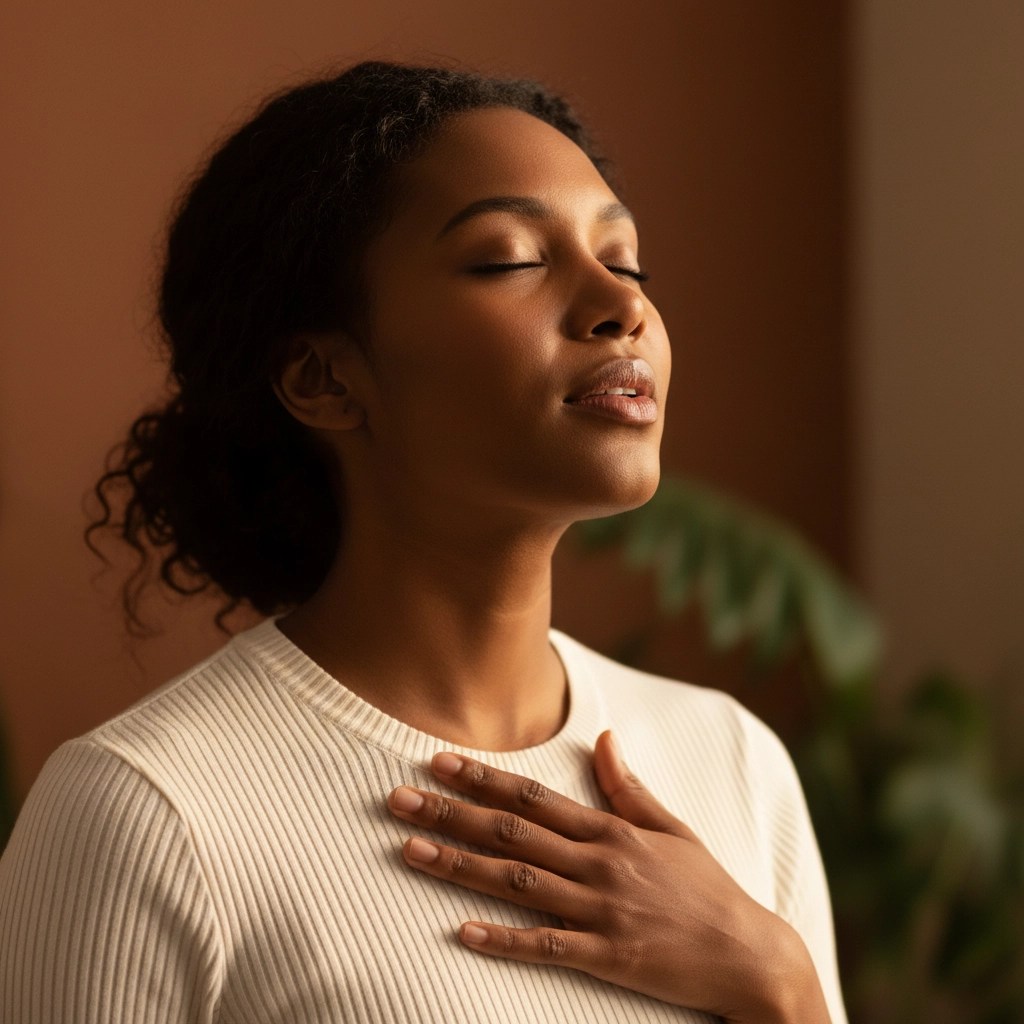
When you practice structured breathing patterns, you’re essentially hacking your nervous system. You’re interrupting the anxiety cycle and giving your body permission to relax. This isn’t just feel-good advice – it’s backed by science and used by everyone from military personnel to healthcare workers to manage stress in high-pressure situations.
Box Breathing: Your Portable Peace Tool
Box breathing, also called square breathing, is so effective that it’s used by Navy SEALs and other military personnel to stay calm under extreme pressure. The technique gets its name because you’re essentially “drawing” a square with your breath – each side of the square represents a different phase of breathing, all timed equally.
How Box Breathing Helps:
This technique creates a steady, predictable rhythm that gives your mind something to focus on besides anxious thoughts. It slows your heart rate, lowers blood pressure, and helps you feel more centered and in control.
Step-by-Step Instructions:
- Find a comfortable position – sitting at your desk, in your car, or even standing in line at the store
- Exhale completely to empty your lungs
- Breathe in slowly through your nose for 4 counts
- Hold your breath for 4 counts (don’t strain – this should feel comfortable)
- Exhale slowly and steadily through your mouth for 4 counts
- Hold empty for 4 counts
- Repeat the cycle 4-6 times, or until you feel calmer
Pro Tip: Visualize drawing a square as you breathe. Start at the bottom left corner, move up as you inhale, across the top as you hold, down the right side as you exhale, and across the bottom as you hold empty. This visualization helps keep your mind engaged and prevents it from wandering back to stressful thoughts.
The 4-7-8 Technique: Your Natural Sleep Aid
The 4-7-8 breathing technique, popularized by Dr. Andrew Weil, is particularly effective for anxiety that interferes with sleep. This method is sometimes called a “natural tranquilizer” because of its ability to quickly calm the nervous system. It’s especially helpful when your mind is racing at night or when you need to wind down after a stressful day.
How 4-7-8 Breathing Helps:
The extended exhale in this technique is key to its effectiveness. By making your exhale almost twice as long as your inhale, you’re maximizing the activation of your parasympathetic nervous system. This technique also requires concentration, which helps quiet racing thoughts.
Step-by-Step Instructions:
- Sit or lie down in a comfortable position
- Place the tip of your tongue against the tissue behind your upper teeth (this helps control the exhale)
- Exhale completely through your mouth, making a “whoosh” sound
- Close your mouth and inhale quietly through your nose for 4 counts
- Hold your breath for 7 counts
- Exhale through your mouth for 8 counts, making the “whoosh” sound
- Repeat the cycle 3-4 times (don’t do more than 4 cycles when starting out)
Important Note: If holding your breath for 7 counts feels uncomfortable, you can modify the timing. Try a 4-4-6 pattern instead, or even 2-3.5-4. The key is maintaining the ratio where the exhale is longer than the inhale.
Diaphragmatic Breathing: Strengthening Your Natural Calm
Many of us breathe shallowly throughout the day, using only our chest muscles instead of our diaphragm. This type of breathing can actually contribute to feelings of anxiety and stress. Diaphragmatic breathing, also called belly breathing, teaches you to breathe deeply and efficiently, using your diaphragm as it was designed to be used.
How Diaphragmatic Breathing Helps:
This technique not only calms immediate anxiety but also strengthens your respiratory system over time. Regular practice can help you naturally breathe more deeply throughout the day, reducing overall stress levels. It’s particularly effective for people who experience anxiety-related shortness of breath or chest tightness.
Step-by-Step Instructions:
- Lie down on your back or sit comfortably in a chair
- Place one hand on your chest and another on your belly, just below your ribcage
- Breathe in slowly through your nose, allowing your belly to push your hand out while your chest hand stays relatively still
- Breathe out slowly through pursed lips (like you’re blowing out a candle), feeling your belly hand move inward
- The hand on your chest should move very little throughout this exercise
- Continue for 5-10 minutes, focusing on the rise and fall of your belly
Getting Started: Don’t worry if this feels awkward at first – many people have to retrain themselves to breathe with their diaphragm. Practice when you’re relaxed, like when watching TV or before bed, so it becomes second nature.
Making These Techniques Work in Your Daily Life
The beauty of breathing exercises is their flexibility. You don’t need a quiet meditation room or special equipment. Here are some practical ways to incorporate these techniques into your real life:
At Work: Use box breathing before important meetings, during your lunch break, or when dealing with difficult situations. You can do this at your desk without anyone noticing.
During Commutes: Practice diaphragmatic breathing while stuck in traffic or waiting for public transportation. It’s a productive way to use time that might otherwise increase your stress.
Before Sleep: The 4-7-8 technique is particularly effective for quieting nighttime anxiety and helping you fall asleep faster.
In Social Situations: If you feel anxious in social settings, excuse yourself to the restroom and practice a few rounds of box breathing to reset.
During Family Stress: When family dynamics get intense, step outside or into another room for some diaphragmatic breathing to maintain your composure.

Building Your Breathing Practice
Start small and be consistent rather than trying to do everything at once. Pick one technique that resonates with you and practice it for a week. Once it feels natural, you can add another technique or use different ones for different situations.
Remember, these techniques are tools for empowerment. In a world that often feels chaotic and out of our control, your breath is something that’s always yours to command. You’re not just managing anxiety – you’re building resilience, creating space for clarity, and taking an active role in your mental health.
Your breathing practice is also a form of self-care that doesn’t cost anything and doesn’t require anyone else’s permission or participation. In communities where we’re often taught to put everyone else’s needs first, taking time to breathe is a radical act of self-preservation and self-love.
The Science Behind Your Success
Research consistently shows that regular breathing practice can reduce anxiety, lower blood pressure, improve sleep quality, and enhance overall emotional regulation. A study published in the Journal of Clinical Medicine found that controlled breathing exercises can significantly reduce anxiety levels and improve heart rate variability – a marker of nervous system health.
Another study in the International Journal of Yoga found that diaphragmatic breathing practice for just 15 minutes daily over 8 weeks led to significant reductions in cortisol levels (the stress hormone) and improvements in attention and emotional regulation.
These aren’t just numbers in a study – they represent real people finding real relief from anxiety through something as simple as changing how they breathe.
Your breath is always with you, ready to be your ally in moments of stress and anxiety. Whether you’re facing systemic pressures, personal challenges, or just the everyday stresses of life, these techniques offer you a way to find your center and reclaim your calm. Start with one technique, practice it regularly, and notice how this simple shift can create profound changes in how you navigate the world.
Remember: you have the power to influence your anxiety, one breath at a time.

